Bloodhound SVG: Designer Review for Embroidery
As a designer who spends more hours testing digital files than I care to count, I approached the Dog SVG, Bloodhound, Bloodhound SVG with a specific kind of curiosity. Bloodhounds have a look that is instantly recognizable—long drooping ears, deep brow wrinkles, and a face that somehow manages to be both solemn and gentle. Capturing that in a vector format that also works for real embroidery projects is a challenge, and I wanted to see if this design delivered.
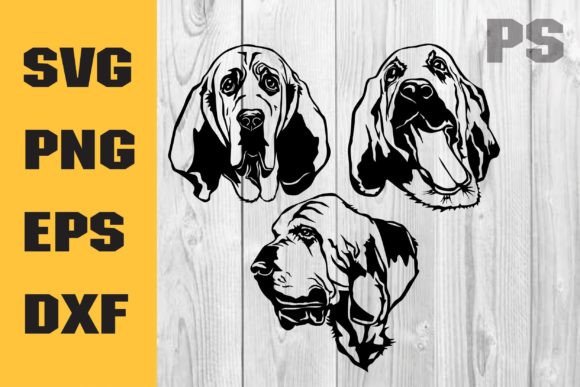
The first impression was positive. The silhouette is clean and the proportions feel true to the breed. The pose carries a quiet dignity without feeling stiff or overly formal. It avoids the trap of looking too cartoony, which matters when you are stitching something a customer will wear on a sweatshirt or carry on a tote bag. The design lands in a sweet spot where it feels artistic but still functional. That balance is exactly what I look for when I am evaluating a design asset for commercial embroidery work.
First Look: Mood, Shape, and Natural Project Fit
The mood of this bloodhound design is warm and grounded. It is not trying to be funny or overly cute. It respects the breed character, and that honesty translates well into finished products. The shape is compact enough to fit a range of hoop sizes, but the ears add a distinctive outline that gives the design personality. The layout is centered and balanced, which makes placement decisions simpler when you are working on apparel or home goods.
From the start, I could see this design working across several product categories. It has enough detail to feel premium, but not so much that it becomes a headache during digitizing or cutting. For anyone using a Cricut or Silhouette, the SVG and EPS files will open cleanly in your software. The PNG with transparent background is useful for printable mockups, which is a huge time saver when you are building Etsy listings or testing product photography. For embroidery projects, you will need to convert the vector into an embroidery file format, but the foundation is solid and the shapes are clearly defined.
Real Project Test: Custom Tote Bag and Sweatshirt
I tested this design recently for a custom tote bag order. A client wanted a bloodhound portrait as a gift for a family member who had recently adopted a rescue. The bag was medium-weight cotton canvas, and I needed something that would stitch cleanly without distorting the fabric. The Dog SVG, Bloodhound, Bloodhound SVG gave me a strong starting point. The ear shape, the brow folds, and the neck wrinkle all translated well when I brought the file into my digitizing software. I did simplify a few inner detail lines to keep stitch density reasonable, but that is routine for any vector-to-embroidery conversion.
On a sweatshirt test, the design performed even better. The fabric had a bit of stretch, so I used a cutaway stabilizer and a medium-weight backing. The bloodhound face stayed crisp, and the ear outlines stitched smoothly without puckering. The client was thrilled with the result, and I could see the same approach working for t-shirts, baby onesies, aprons, pillow covers, kitchen towels, and embroidered patches. The design has enough presence to stand alone, but it also pairs well with text, a bone icon, or a collar detail for a more complete composition.
Performance Across Real Embroidery Situations
Because this design originates as a cutting file format, it does not come pre-digitized for machine embroidery. You will need to convert it using embroidery software or work with a digitizer. The good news is that the lines are clean and the shapes are well-defined, so conversion is straightforward. I recommend using a satin stitch for the outer outline and a fill stitch for the body, with a running stitch for fine details like the eye highlight or nose contour.
The design handles light and medium fabrics well. On a sweatshirt or tote bag, stitch quality stays crisp and the design maintains its shape after washing. On thinner fabrics like t-shirt jersey, use a tear-away stabilizer with a lightweight backing to prevent puckering. On textured fabrics like fleece or terry cloth, increase the underlay density slightly so the design does not sink into the fabric surface. For dark fabrics, the PNG preview is helpful for checking thread color contrast before you commit to stitching. Bloodhounds are typically black and tan or liver and tan, so the natural color palette offers good contrast against most backgrounds.
Where to Use This Design Carefully
There are a few situations where this design needs extra attention. The ears are long and droopy, which is accurate for the breed but can create challenges in smaller hoop sizes. If you are working with a 4x4 hoop, the ear details may feel crowded and you might lose some of the facial expression. I recommend using at least a 5x7 hoop for this design to preserve the ear shape and the facial detail. On a cap or any curved surface, the ear length may need to be adjusted so it does not wrap awkwardly around the seams.
The eyes and nose are small but critical to the overall look. If the stitch density is too light, those features can look washed out. If it is too heavy, the fabric may distort in those areas. Always test the eye and nose stitching on scrap fabric before moving to the final product. A dark brown or black thread with a subtle sheen works well here. On layered garments like a lined jacket or a hoodie with a front pocket, be mindful of the extra thickness. You may need to adjust stabilizer weight to keep the stitching even.
For products that need frequent washing, such as kitchen towels, baby blankets, or everyday tote bags, the design holds up well if the stitch density is balanced and the thread quality is good. I suggest using polyester thread for items that will see heavy use, as it resists fading and fraying better than cotton thread. The design also works for embroidered patches, where you can stitch it onto a patch fabric and then apply it to hats, bags, or jackets. For patches, a heavyweight tear-away stabilizer and a tight satin stitch border will give you a clean edge.
How This Design Affects Product Value and Customer Trust
From a business perspective, this bloodhound design adds real value to a product line. A well-executed breed portrait signals to customers that you care about detail and quality. Buyers who receive a custom piece with a recognizable and accurate breed design are more likely to leave positive reviews, share photos, and return for future orders. That kind of organic engagement is what keeps a small shop growing.
The design works especially well for personalized gifts. Bloodhound owners are a passionate group, and a custom embroidered sweatshirt or tote bag with their dog resemblance can feel deeply personal. It also works for memorial items, holiday gifts, and birthday presents. If you are an Etsy seller or a creative entrepreneur, this kind of niche design helps you stand out in a crowded marketplace. It is specific enough to attract the right buyers, but versatile enough to fit multiple product types.
The included PNG transparent file is a practical bonus for business use. You can create printable mockups for product listings without stitching a sample first. That saves time and materials, and it lets you test product photography angles before you commit to production. For craft fair displays, you can print the design onto a sign or tag to show customers what the finished embroidery will look like. That kind of professionalism builds trust and makes your handmade products feel more polished.
Practical Notes for Embroidery Designers and Small Shop Owners
Before you start stitching, here are a few steps I always follow when working with a new design asset. Test the design on scrap fabric first. Check your thread color contrast under natural light and under artificial light, because the two can look very different. Review the stitch density in your digitizing software and adjust if needed. Confirm that your hoop size can accommodate the full design without clipping the ears or the top of the head. Use the right stabilizer for your specific fabric choice. And before you sell anything, verify the license terms for commercial use.
The product description confirms the file is compatible with Cricut cutting machines, Silhouette Cameo, and Adobe Illustrator. That covers the design side well. If you are selling finished embroidery items, make sure you have permission to use the design for commercial production. If you plan to sell the digital file itself, that is a separate license entirely. Be transparent with your customers about what they can and cannot do with the design, and always credit the original designer if required.
The Dog SVG, Bloodhound, Bloodhound SVG earns a solid recommendation from me. It is a well-crafted design that translates to embroidery with minimal fuss. Whether you are stitching a custom tote bag, a sweatshirt, a patch, or a pillow cover, this bloodhound will look good and hold up well through regular use. It is the kind of design asset that makes a craft business look professional and a handmade gift feel genuinely thoughtful.
If you work in the Crafts space and need Graphics that actually perform under real stitching conditions, this one is worth your time. It respects the breed, it respects the maker, and it respects the person who will eventually receive the finished product. That is exactly the kind of design I want in my digital library.