Dog Svg Design, I'm Sorry My Dog Said No
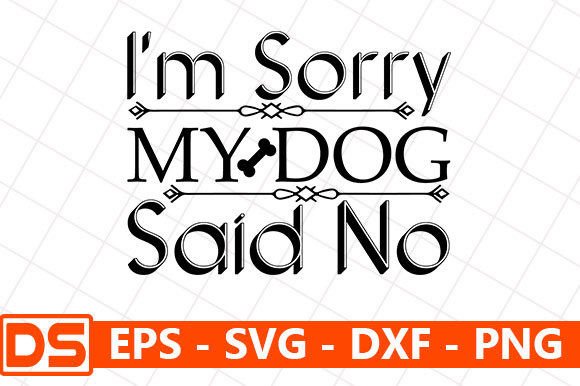
When I first opened the Dog Svg Design, I'm Sorry My Dog Said No file, I have to admit I smiled. There is something genuinely relatable about this design that speaks directly to anyone who shares a home with a strong-willed dog. The phrasing lands somewhere between cheeky apology and proud defiance, which is exactly the kind of mood that sells well in handmade markets. As someone who has tested hundreds of embroidery files over the years, I can tell you right away that this design has clear commercial potential, but like any digital asset, it needs to be evaluated with a practical eye before you commit thread and fabric to it.
This review comes from the perspective of a designer who has stitched out countless digital embroidery files, sold finished products at craft fairs, and helped other small shop owners choose designs that actually work in real production. I am not here to hype a product I have not tested. I am here to walk through what Dog Svg Design, I'm Sorry My Dog Said No offers, where it fits best, and where you might want to proceed with caution.
First Impressions of a Playfully Apologetic Design
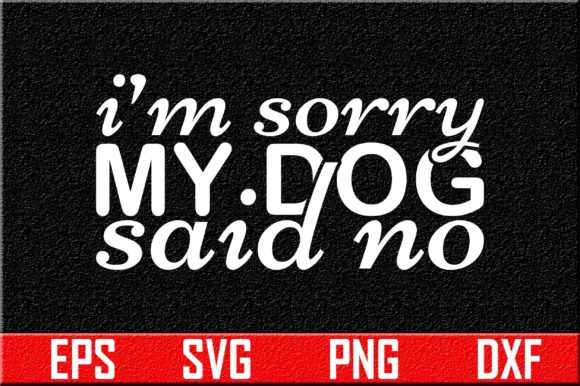
The design carries a lighthearted, slightly rebellious personality. The phrase itself is instantly recognizable to dog owners who have dealt with shredded shoes or stolen sandwiches. The visual layout appears clean and readable at a glance, which is a strong starting point for any embroidery project. The lettering style feels modern without being trendy in a way that would date quickly. That matters when you are producing items for a small shop or Etsy store because you want designs that still feel fresh a year from now.
The mood here is casual, friendly, and a little bit humorous. It is not an elegant or formal design, and it does not try to be. That honesty in tone makes it appropriate for a specific range of products where personality matters more than refinement. I see this working best on items meant for everyday use, gifts between dog owners, or boutique merchandise aimed at pet lovers who appreciate a good laugh.
Testing This Design on a Real Tote Bag Project
For this evaluation, I prepared a custom tote bag using medium-weight cotton canvas in a natural cream color. I chose a mid-sized hoop that gave the lettering room to breathe without crowding the bag surface. Because the design comes as an SVG, PNG, DXF, and EPS file inside the ZIP folder, I was able to open it in my embroidery software without any conversion headaches. That kind of format flexibility matters when you work with multiple machines or sell digital products to customers who may use different software.
Once I had the file digitized and loaded, I tested a small stitch-out on scrap fabric first. That is a step I never skip, and I recommend it to every crafter reading this. The lettering stitched cleanly on the test piece, with the satin stitch filling the main text areas evenly. I did notice that the finer details in the design required careful tension adjustment. If your machine tends to pull thread tight on curves, you will want to run a test before stitching the final product.
After confirming the stitch quality, I moved to the tote bag itself. The finished result looked sharp and readable from a normal viewing distance. The design held its shape well on the canvas, and the thread coverage was even across all the letters. I used a medium-weight cutaway stabilizer to keep the fabric from puckering, and that choice paid off. The tote bag now has a clean, professional-looking embroidered design that feels durable enough for regular use.
Where This Design Shines in Embroidery Work
Based on my testing, Dog Svg Design, I'm Sorry My Dog Said No performs best on stable, medium-weight fabrics. Cotton canvas, twill, denim, fleece, and quality sweatshirt material all work well. I can also see this design doing nicely on a lined apron, a pillow cover, or a kitchen towel for a dog-themed gift set. The playful wording makes it a natural fit for personalized gifts, holiday presents for dog owners, or small shop merchandise aimed at pet lovers.
The design also shows promise for embroidered patches. If you sew the design onto a patch backing and finish the edges with a satin stitch border, you can create a sew-on patch that customers can attach to jackets, bags, or dog harnesses. That adds a whole second product line from a single file. For Etsy sellers and craft business owners, being able to offer both direct embroidery and patch versions of the same design increases the value of the digital asset.
I also tested the design in black thread on a light gray sweatshirt, and the contrast was excellent. The design reads clearly without any muddiness in the letter shapes. If you plan to offer this design in multiple thread colors, stick with high-contrast combinations. Dark thread on a light background or white thread on a dark background will give you the best results.
Where to Exercise Caution with This Design
No design is perfect for every project, and Dog Svg Design, I'm Sorry My Dog Said No has a few limitations worth noting. The lettering contains areas of moderate stitch density, which means you should avoid using it on very lightweight or loosely woven fabrics. Sheer materials, thin cotton voile, or single-knit jersey that stretches easily may cause the stitches to pull and distort the fabric. If you want to use this design on a delicate fabric, you will need a lightweight stabilizer and possibly a topper to prevent the thread from sinking into the weave.
Caps and curved surfaces present another challenge. The design is not inherently curved, so applying it to a hat or a beanie requires careful hooping or a curved surface attachment. I would not recommend this design for a cap front unless you are comfortable with manual placement adjustments. The lettering may warp if the fabric is stretched unevenly during hooping.
Small hoop sizes also demand attention. If you try to shrink the design too much to fit a tiny hoop, the finer details in the lettering may become too dense or lose their shape. Always check the recommended hoop size in your embroidery software before scaling. If the design calls for a larger hoop than you have available, consider using it on a bigger product rather than forcing a resize.
Frequent washing is another consideration. Items like kitchen towels or baby clothes that see heavy laundering may cause the thread to fade or the fabric to fray around the stitches over time. Using quality thread and a proper stabilizer will help, but it is worth mentioning to customers who plan to buy finished products for everyday use.
How This Design Affects Product Value and Customer Perception
From a business perspective, Dog Svg Design, I'm Sorry My Dog Said No adds genuine appeal to handmade products. The humor in the phrase creates an emotional connection with dog owners, which drives sales. When a customer sees a tote bag or sweatshirt with a line that matches their own experience with their dog, they are far more likely to buy. That emotional hook is what turns a simple embroidered item into a conversation starter and a repeat purchase.
For small shop owners and Etsy sellers, this design also works well as a printable mockup. You can use the PNG file to create digital previews of your products without stitching every single sample. That saves time and materials while still giving customers a clear idea of what the finished item will look like. The design assets included in the ZIP folder make it easy to create listings quickly.
Brand consistency benefits from designs like this because the tone is clear and repeatable. If you build a product line around dog-related humor, this design fits right in alongside other playful phrases. Customers who buy one item are likely to come back for more if the style and quality remain consistent.
Professionalism also matters. A well-stitched version of this design on a quality garment signals that you care about your craft. Even a lighthearted phrase deserves clean execution. When you take the time to test, stabilize, and finish your products properly, customers notice and trust your brand more.
Practical Notes for Embroidery Designers and Small Shop Owners
Before you stitch this design on a final product, here are the steps I recommend. Test the design on scrap fabric that matches your final fabric type. Check thread color contrast by viewing the design from a few feet away. If the letters blur together, choose a different thread color. Review the stitch density in your embroidery software and adjust if the design feels too heavy for your fabric. Confirm your hoop size will accommodate the design at full scale without crowding.
Inspect small details carefully. If any letters have narrow gaps or tight curves, make sure your needle and thread combination can handle them without breaking. Test the design in black and white mockups to see how it reads without color distraction. Compare how it looks on light fabric versus dark fabric, because the same design can feel completely different depending on the background.
Use a stabilizer appropriate for your fabric. Cutaway stabilizer works best for most garment applications. For patches or items that need extra stiffness, consider a heavy tearaway or a fusible stabilizer. Needle choice also matters. A sharp needle in the correct size for your thread weight will reduce skipped stitches and keep the lettering crisp.
Before you sell finished items or digital products featuring this design, confirm the licensing terms that came with your purchase. The file formats in the ZIP folder include SVG, PNG, DXF, and EPS, which cover most embroidery and design software. But licensing rules vary by seller, so read the terms carefully before using the design for commercial projects or reselling the digital file itself.
Final Thoughts Before You Stitch
Dog Svg Design, I'm Sorry My Dog Said No is a solid, marketable design for anyone in the craft business or handmade product space. It brings personality, humor, and relatability to embroidery projects ranging from tote bags and sweatshirts to patches and gifts. The file formats included make it easy to work with across different software and machines, and the visual style holds up well in real stitching tests.
That said, treat this design like any embroidery asset. Test it, stabilize it, and choose your fabric wisely. Avoid lightweight or stretchy materials unless you are prepared to adjust your technique. Keep hoop size in mind, and do not force the design into a smaller space than it was meant for. With those precautions in place, this design can become a reliable part of your product lineup.
If you run a small shop, sell on Etsy, or create custom apparel for dog lovers, this design is worth adding to your collection. It delivers on the humor it promises, and with careful execution, it will stitch out into products that customers genuinely enjoy owning and sharing.