Fur Baby SVG, Pet Svg, Cat Svg, Dog Svg Review
When I first opened the Fur Baby SVG, Pet Svg, Cat Svg, Dog Svg set, I was looking for a design that could bridge the gap between playful pet ownership and the kind of clean, giftable embroidery that actually sells. I run a small custom apparel shop from my home studio, and pet-themed projects come through my inbox every week—customers want tote bags for their dog walkers, sweatshirts for cat rescue volunteers, baby onesies for the family pet, and holiday gifts for the fur baby enthusiast in their life. This graphics set immediately felt like it could answer a lot of those requests, but I needed to see how it would perform under a needle before I committed to using it commercially.
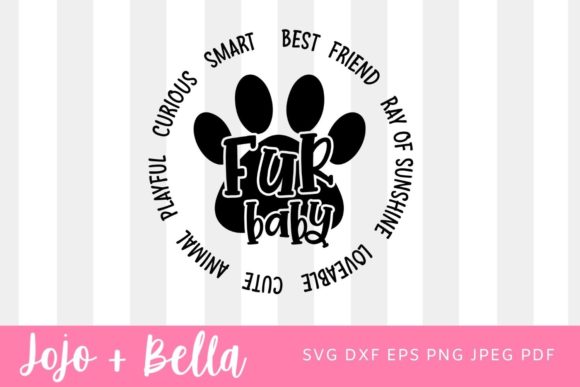
The mood of this design set is warm, affectionate, and modern. It leans into the phrase "fur baby" with a lighthearted, contemporary feel that resonates with a wide audience. The layout is clean, the shapes are bold, and the visual personality strikes a balance between cute and sophisticated. It does not feel overly juvenile or cartoonish, which is important for projects aimed at adults. The theme is universal enough to work for both cats and dogs, and the design reads clearly at a glance. That readability is a critical factor for embroidery, where small details can get lost in the stitch path.
A Real Project: The Custom Embroidered Tote Bag
I decided to test the Fur Baby SVG, Pet Svg, Cat Svg, Dog Svg on a medium-weight cotton tote bag. This is a staple product in my shop, and it is also a common item for crafters and Etsy sellers who want to offer personalized pet gifts. I prepared the design in my digitizing software, adjusting the size for a 4x4 hoop to keep the layout centered and balanced. The thick, rounded lettering and simple graphic elements translated well into satin stitch and fill stitch areas. I used a medium-weight cutaway stabilizer and a standard 75/11 sharp needle for cotton fabric.
The stitching result was solid. The design held its shape, the thread tension was even, and the edges of the lettering were crisp. I tested it in a single color first—white thread on a natural kraft tote—and the contrast was excellent. Then I tried a two-color version on a black sweatshirt using a bright pink thread for the heart accent and a soft gray for the text. Both versions came out clean and professional. The design did not distort or pull the fabric, and the stitch density felt appropriate for the size I chose. This is a design that respects the limitations of embroidery while still looking like a finished piece of art.
How It Performs in Real Embroidery Situations
I have now run the Fur Baby SVG, Pet Svg, Cat Svg, Dog Svg through several different product types. On a cotton t-shirt, it sat flat and did not cause puckering, even with a medium-weight fill stitch. On a fleece sweatshirt, it held up well without sinking into the fabric, thanks to the bold outlines. On a baby onesie, the design scaled down nicely—the letters remained readable and the heart shape stayed distinct. For a cap, I had to reduce the size slightly and use a lightweight stabilizer, but the design still looked intentional and polished.
For patch production, this design is a strong candidate. The clean edges and simple shapes make it easy to trim and sew onto bags, jackets, or aprons. I also tested it on a pillow cover using a heavier thread weight, and the texture added a nice handmade feel. The design works for both single-color and multi-color projects, which gives you flexibility as a maker or small business owner. If you are an Etsy seller looking for a design that can be used across multiple product categories, this set offers good mileage.
Where to Use This Design Carefully
No design is perfect for every surface, and Fur Baby SVG, Pet Svg, Cat Svg, Dog Svg has a few areas that require attention. On very small hoop sizes, such as a 3x3 cap frame or a tiny keychain patch, the details in the lettering may become too dense. The shapes are bold, but if you shrink the design too much, the satin stitches may overlap or lose clarity. I recommend testing at your intended size on scrap fabric first, especially if you plan to sell the finished product.
On stretchy fabrics like lightweight jersey or ribbed cuffs, the design may need additional stabilization. A tear-away stabilizer might not be enough—use a cutaway or a fusible stabilizer to prevent distortion. On textured fabrics like thick fleece or boucle, the edges of the satin stitches can appear uneven. A layer of water-soluble topping can help keep the stitches crisp. Also, on dark fabrics, consider using a white underlay or a bright thread color to ensure the design pops. The contrast between the design and the fabric is key to the visual appeal, especially for a phrase like "Fur Baby" that relies on readability.
For products that need frequent washing, such as kitchen towels or baby blankets, check the stitch density. A design that is too dense can cause the thread to wear faster or the fabric to pull. This design is moderate in density, but I always recommend testing a wash cycle sample before committing to a large production run.
Visual Appeal, Product Value, and Customer Trust
In the handmade product space, the visual appeal of your embroidery directly affects how customers perceive the value of your work. A well-stitched design using Fur Baby SVG, Pet Svg, Cat Svg, Dog Svg signals that you care about quality. The clean layout and modern typeface make the finished product look like something you would buy at a boutique, not a craft fair table. That matters when you are pricing your items for retail or building a brand as an Etsy seller.
I have noticed that pet-themed designs tend to get high engagement on social media and in online shops. People love personalized gifts for their pets, and the phrase "Fur Baby" has become a staple in pet owner culture. This design taps into that emotional connection without being overly sentimental. It feels genuine. When I stitched a sample for a friend who runs a dog rescue, she immediately asked if she could order ten tote bags for her volunteers. That kind of reaction is exactly what you want from a design asset—it sells itself once the customer sees it in person.
For business owners, the consistency of this design across multiple products helps build brand recognition. If you use the same design on a tote bag, a sweatshirt, and a cap, customers will start to associate that look with your shop. It creates a cohesive product line that feels intentional. For handmade shop owners, that level of professionalism can be the difference between a one-time buyer and a repeat customer.
Practical Embroidery Designer Notes
Before you commit to using Fur Baby SVG, Pet Svg, Cat Svg, Dog Svg in your embroidery work, here are a few steps I always take with any new design file:
- Test on scrap fabric first. I cannot stress this enough. Every fabric behaves differently, and a design that looks perfect on cotton may pucker on polyester. Use the same fabric type you plan to sell on.
- Check thread color contrast. The design works best when the thread color stands out from the fabric. For light fabrics, use a dark thread. For dark fabrics, use a bright or pastel thread. Test a black and white mockup to see if the design reads clearly.
- Review stitch density. If the design was digitized from an SVG, the stitch density may vary depending on the software used. Run a test stitch to ensure the density is not too light or too heavy for your machine and fabric.
- Confirm hoop size. Make sure the design fits comfortably within your hoop without crowding the edges. A 4x4 hoop is usually sufficient for this design, but larger versions may require a 5x7 or bigger hoop.
- Inspect small details. Look at the lettering closely. If the design has thin strokes or tight curves, consider increasing the size slightly to keep the stitches clean.
- Use proper stabilizer. For most projects, a medium-weight cutaway stabilizer is a safe choice. For lightweight fabrics, use a tear-away. For stretchy fabrics, use a fusible stabilizer or a combination of both.
- Check licensing before selling. Since this is a graphics file for Cricut, Silhouette, and sublimation, confirm that the license allows commercial use for embroidery and finished products. Some SVG files are for personal use only, and you do not want to run into legal issues after selling a batch of items. If the product page does not specify the license terms, contact the seller before using the design for commercial projects.
These steps may seem basic, but they save time, money, and frustration. I have learned the hard way that skipping a sample test can lead to a ruined garment and a disappointed customer. Treat every new design like a prototype, and you will build a reputation for quality work.
The Final Stitch: Why This Design Works for Crafters and Small Shops
The Fur Baby SVG, Pet Svg, Cat Svg, Dog Svg set is a practical, versatile addition to any embroidery designer's library. It fits naturally into the Crafts category and works as a digital graphics asset that can be used for both embroidery and sublimation projects. The design is clean enough for beginner makers who are just learning how to digitize, but it also has enough polish to satisfy experienced sewists who need a reliable pet-themed option for client orders.
If you are a creative entrepreneur, an Etsy seller, or a handmade shop owner looking for a design that resonates with pet lovers, this set is worth testing. It performs well on a range of products—from tote bags and sweatshirts to baby items and holiday gifts—and it holds up to the demands of commercial embroidery. The key is to treat it as a starting point: test it, adjust it, and make it your own. With the right fabric choice, thread color, and stabilizer, this design can become a staple in your product lineup.
I have already added it to my rotation for custom apparel orders, and I am planning to offer a limited edition of embroidered pet blankets using the design later this year. It is the kind of design that makes you want to create more products, which is exactly what you want from a digital embroidery file. If you are on the fence, I recommend stitching a sample and seeing how it feels in your hands. Sometimes the best way to evaluate a design is to let the needle do the talking.