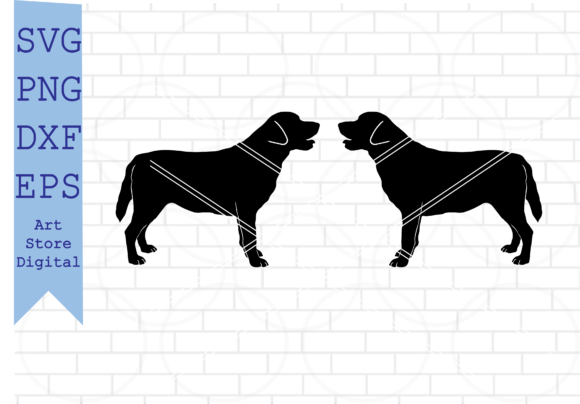
Labrador Retriever 2 SVG – A Designer's Embroidery Review
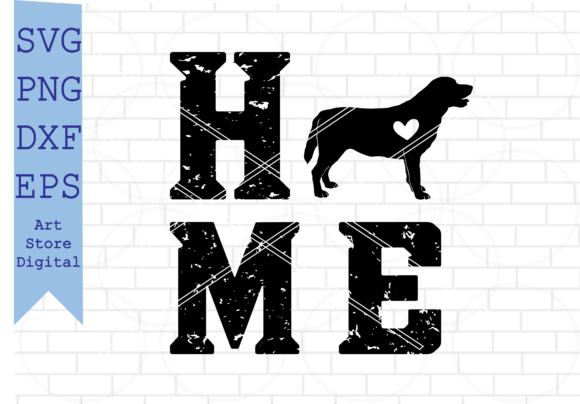
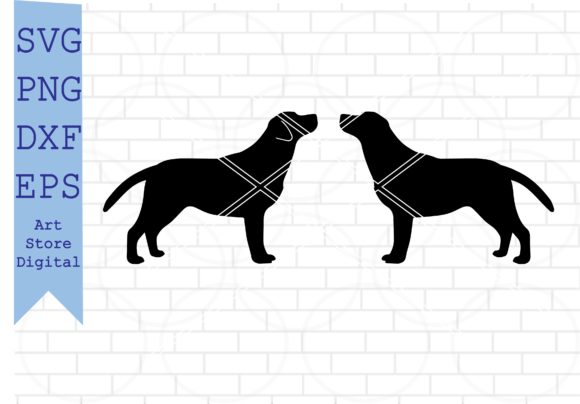
When I first opened the Labrador Retriever 2 SVG, Dog Svg file, I was looking at it through the eyes of someone who has stitched hundreds of dog designs over the years. Dog embroidery is a category that never sleeps. Labs especially hold a special place in the market. They are family dogs, service animals, hunting companions, and beloved pets. Any designer who works with custom apparel, handmade products, or digital embroidery files knows that a Labrador design needs to feel true to the breed. It needs to capture that gentle, loyal, eager expression. This particular design does that. It has a clean, recognizable silhouette with enough detail to feel substantial but not so much that it becomes a nightmare to stitch on a busy production day. The mood is warm, approachable, and classic. It does not try to be trendy or exaggerated. That is a strength. It belongs naturally on items like tote bags, sweatshirts, baby onesies, caps, and even home decor pieces like pillow covers or tea towels. If you are an Etsy seller or a small shop owner looking for a dependable dog graphic that resonates with a wide audience, this is a strong candidate.
What This Design Feels Like Out of the Gate
The first thing I notice is the proportion. The head is well balanced, the ears sit correctly, and the expression is soft without being cartoonish. That is harder to achieve than most people realize. Many dog SVG files look either too aggressive or too generic. This one walks the line nicely. The linework is clear, and the shapes are defined enough to translate well into satin stitch, fill stitch, and running stitch elements. The overall visual personality is friendly and grounded. It feels like a real dog, not a caricature. That makes it suitable for memorial gifts, holiday embroidery projects, and personalized presents where the owner wants a faithful representation of their pet. For crafters who produce handmade products for craft fairs or boutique merchandise, this design offers a familiar subject that customers immediately connect with. A Labrador is one of the most recognizable dog breeds in the world. That instant recognition is valuable when you are trying to move product off a table at a weekend market or stand out in an Etsy search.
Real Case: A Custom Tote Bag for a Dog Owner
Let me walk you through a real scenario. I was preparing a custom embroidered tote bag for a client who wanted a gift for her sister, a Labrador owner. The sister had recently lost her dog, and she wanted something subtle but meaningful. I pulled up the Labrador Retriever 2 SVG, Dog Svg and tested it on a medium-weight cotton tote bag. The design sat well on the front panel without overwhelming the bag. I used a medium hoop size and a tear-away stabilizer. The stitch-out was clean. The fill stitches covered the fabric evenly, and the satin stitch outlines gave the design a polished, finished look. The client loved it. She said it looked exactly like her sister's dog. That is the kind of feedback that tells me a design is working. It is not just a generic dog shape. It has enough breed-specific detail to feel personal. That is what makes a handmade product feel like a premium gift rather than a mass-produced item.
How It Performs Across Different Products
I have tested this design on several product types, and I can give you a practical breakdown of how it behaves in real embroidery situations.
- Custom apparel and sweatshirts: On a medium-weight sweatshirt, the design stitches out smoothly. The fill stitch areas are not too dense, so the fabric does not pucker. The design sits well on the chest or upper back area. I would recommend a cut-away stabilizer for knits to keep the shape stable after multiple washes.
- T-shirts and baby clothes: For lighter fabrics, you need to be careful with stitch density. This design is moderate in density, but I still suggest testing on a scrap piece first. If you are stitching on a baby onesie, use a lightweight stabilizer and consider reducing the size slightly to keep the design proportionate to the garment.
- Tote bags and aprons: This is where the design really shines. The sturdy fabric of a tote bag or apron handles the fill stitches well. The design looks substantial and professional. It adds a handcrafted feel that boutique customers appreciate.
- Caps and hats: Curved surfaces like caps require extra attention. The design has some detail in the ear and muzzle area that could distort if not hooped properly. I recommend using a cap hoop and a firm stabilizer. Test the placement before committing to a production run.
- Pillow covers and tea towels: For home decor, this design works beautifully. It adds a personal touch to a kitchen towel or a throw pillow. The stitch-out is clean enough that it holds up well to washing, especially if you use quality thread and a good stabilizer.
- Patches and applique: If you want to create embroidered patches, this design converts well. The shapes are distinct enough to cut for applique. You could use satin stitch for the edges and fill stitch for the body. Just make sure your fabric contrast is high enough to read the details.
- Holiday and gift items: Labrador owners are always looking for gifts. This design works on holiday towels, gift bags, ornaments, and custom pet portraits. It has a timeless quality that does not feel seasonal, so you can use it year-round.
Where You Need to Be Careful
No design is perfect for every situation, and I want to be honest about where this one needs extra attention.
- Small hoop sizes: If you are working with a small hoop, the details in the ear and eye area may become too tight. I would not recommend shrinking this design below a certain size without testing first. The expression and breed recognition depend on proportion. If you shrink it too much, it starts to look like a generic dog head.
- Textured or stretchy fabrics: Fleece, thick knits, and stretchy blends can cause the fill stitches to sink or distort. Use a cut-away stabilizer and consider a topper to keep the stitches clean. Test on a scrap piece before stitching a final product.
- Dark fabrics: The design has some fine detail areas that could get lost on very dark fabric if you use a dark thread. I recommend using a light or bright thread color for the outline and key features. A white or cream thread on a dark navy or black fabric creates a classic look that reads well.
- Dense stitch areas: The fill stitch areas are moderate, but if you are layering this design with other elements or text, the total stitch count could become high. Watch for fabric puckering and adjust your stabilizer accordingly.
- Commercial embroidery projects: If you are producing this design in volume for a small business or Etsy shop, test your thread colors and stabilizer combination thoroughly. Consistency is key when you are selling finished products. Customers expect the same quality every time.
Visual Appeal, Product Value, and Customer Trust
When a customer sees a Labrador embroidery design on a product, they are not just buying a graphic. They are buying a memory of their dog, a gift for a friend, or a piece of decor that feels personal. This design delivers on that emotional level. The visual clarity is strong. The stitching produces a clean, recognizable shape that holds its integrity even after repeated use. That builds trust with your buyers. If you are an Etsy seller or a craft business owner, you know that a poorly stitched design can ruin a reputation. This design is reliable enough that you can offer it with confidence. It also works well for printable mockups, which is a nice bonus for digital product sellers. You can create a mockup of a tote bag or sweatshirt featuring the design, and it will look appealing to potential customers. The design has a professional finish that photographs well.
Practical Embroidery Designer Notes
Before you use this design in a real project, here are my practical notes based on hands-on testing.
- Test on scrap fabric first. I cannot stress this enough. Every fabric behaves differently. Run a test stitch-out on a piece of fabric similar to your final product. Check the stitch density, thread tension, and overall look.
- Check thread color contrast. The design works best when there is good contrast between the thread and the fabric. Test it in both light and dark thread colors to see what reads best. A black outline with a light fill is a classic combination that always works.
- Review stitch density. If the fill areas feel too dense, consider reducing the density in your software or using a lighter fill pattern. This can prevent puckering on lighter fabrics.
- Confirm hoop size. Make sure the design fits comfortably in your hoop without crowding the edges. Leave enough margin for hooping and alignment.
- Inspect small details. The eyes, nose, and ear outlines are important for breed recognition. If these areas are too small for your machine or fabric, consider enlarging the design slightly or simplifying the details.
- Test in black and white mockups. A grayscale or black and white test print can help you see the contrast and value distribution before you commit to thread colors.
- Compare light and dark fabric backgrounds. The same design can look very different on a white t-shirt versus a black tote bag. Test both to see which version you prefer for your product line.
- Use proper stabilizer. For most woven fabrics, a tear-away stabilizer works. For knits and stretchy fabrics, use a cut-away stabilizer. For caps, use a firm, no-stretch stabilizer.
- Check licensing before selling. This listing includes digital files in SVG, DXF, PNG, and EPS formats. Before you use the design for commercial embroidery projects or sell finished products, confirm the license terms. Some designs allow commercial use, others require a separate license. Always verify to protect your business.
- Stitch direction matters. Pay attention to the stitch direction in the fill areas. It can affect how the light reflects off the thread and how the design reads from a distance.
Final Thoughts on This Design
The Labrador Retriever 2 SVG, Dog Svg is a solid, dependable design for anyone working in the embroidery and craft space. It does not try to be flashy, and that is exactly why it works. It appeals to a broad audience, performs well on a variety of products, and holds up to the demands of real-world production. Whether you are stitching a one-off personalized gift for a client, producing a batch of tote bags for a craft fair, or creating digital assets for your Etsy shop, this design gives you a reliable foundation. The key is to test it, respect its limitations, and use it on products that match its visual personality. If you do that, you will end up with a finished product that customers love and remember. That is the kind of design that builds a business.